
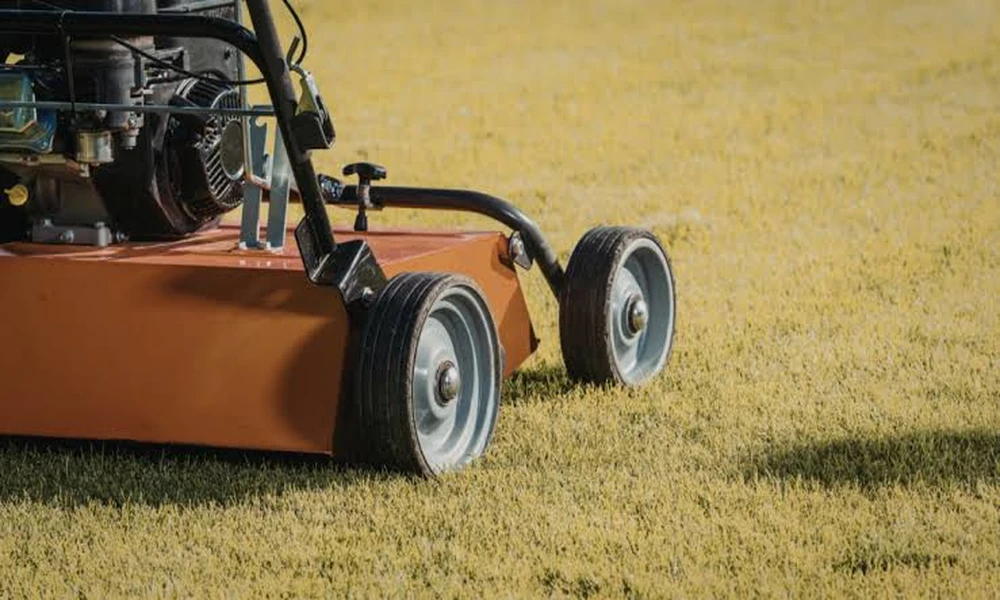

A perfectly trimmed lawn, a garden free of overgrown brush, and a backyard ready for summer all share one thing in common: they depend on outdoor equipment that performs when you need it most. Keeping those tools running longer isn’t just about saving money, but about ensuring every task is finished with less frustration and more satisfaction.
The Evolution of Outdoor Equipment Maintenance
The earliest caretakers of yards and woodlots worked with simple hand tools, relying on sharp blades and regular oiling to get the job done. In those days, maintenance meant a file for the axe and an occasional wipe-down to ward off rust.
With the introduction of gas-powered chainsaws, trimmers, and blowers, outdoor work changed dramatically. Power and efficiency soared, but so did the complexity of maintenance. Fuel mixtures, spark plugs, and air filters became part of the weekly checklist. Now, as battery-powered machines and smart tech edge into sheds and garages, maintenance routines are evolving again. Diagnostics, battery care, and specialized cleaning tools give homeowners and professionals more control, but also new responsibilities.
Understanding Your Equipment: Types and Their Needs
Gas-powered workhorses, like chainsaws and leaf blowers, reward diligence. Regular checks on fuel quality, air filters, and spark plugs keep them running strong. Battery-powered gear, increasingly popular for their quiet operation and ease of use, demand a focus on charging best practices. Store batteries at partial charge, avoid extreme temperatures, and use only approved chargers to prevent damage.
Yet, even simple manual tools deserve careful attention. Cleaning off sap, sharpening blades, and storing them dry extends their usefulness for years. Each category requires a slightly different approach, but all benefit from steady, consistent care.
Daily and Weekly Maintenance Routines
A few minutes after each use can prevent hours of frustration down the road. Begin by brushing away dirt and debris, especially from moving parts and air intakes. For gas engines, check the fuel level and look for any leaks or loose parts. Lubricating chains, gears, and pivot points can prevent costly wear.
Battery-powered equipment, like those from GSM Depot STIHL tools, should be wiped down and stored in a cool, dry space. Let batteries cool before recharging, and never leave them on the charger longer than recommended. Even a quick visual inspection can catch cracks, frayed wires, or clogged vents before they become real problems.
Seasonal Maintenance for Longevity
As seasons shift, so do equipment needs. When preparing gear for winter storage, drain fuel from gas-powered tools or use a stabilizer to prevent varnish and corrosion. Clean thoroughly, lubricate exposed metal, and cover or store every item away from moisture.
When spring arrives, perform a tune-up. Replace spark plugs, clean air filters, and give every tool a thorough inspection. Off-season checks also matter: look for rust, rodent nests, and deteriorating seals so you can address issues early, not halfway through a weekend project.
Troubleshooting Common Issues and Repairs
Equipment that won’t start or stalls unexpectedly rarely fails without warning. Unusual noises, reduced power, or excessive vibration are red flags. Addressing these signs quickly can stop a small issue from becoming a major repair.
Some fixes are simple: replacing a clogged air filter, tightening loose screws, or swapping a spent spark plug. But when a tool continues to misbehave after the basics, it’s time to consider a professional. DIY repairs are great for minor problems, but persistent issues, especially with engines or electronics, warrant an expert’s touch.
Storing Outdoor Equipment Properly
Storage can make or break the lifespan of your gear. Ideally, keep tools in a sheltered, climate-controlled environment. Dampness encourages rust and mold, while extreme heat or cold can ruin batteries and plastic components.
Pests are another silent enemy. Sealing equipment in containers or cupboards can keep rodents and insects at bay. Organize tools on racks or shelving, not just for convenience, but to prevent accidental drops or mishandling that can cause lasting damage.
Leveraging Technology and Accessories for Better Maintenance
Newer outdoor tools often feature built-in diagnostics, reminding you when maintenance is due. Some even connect to apps for real-time performance tracking and alerts. Using manufacturer-recommended fluids and replacement parts, such as those designed for specific models, ensures compatibility and durability.
Don’t underestimate the importance of safety gear during maintenance. Gloves, goggles, and hearing protection should be as much a part of your toolkit as wrenches and lubricants.
Future Trends in Outdoor Equipment Care
Eco-friendly options, like biodegradable lubricants and rechargeable batteries with longer lives, are reshaping routine care. Innovations in battery and engine technology promise fewer breakdowns and easier diagnostics in the years ahead. Automation and AI are beginning to appear, offering predictive maintenance and remote monitoring so you can spend more time enjoying your yard and less time troubleshooting your tools.
By pairing diligent routines with modern innovations, you give your outdoor equipment the best chance at a long, productive life, ensuring every project starts and ends on your terms.
