
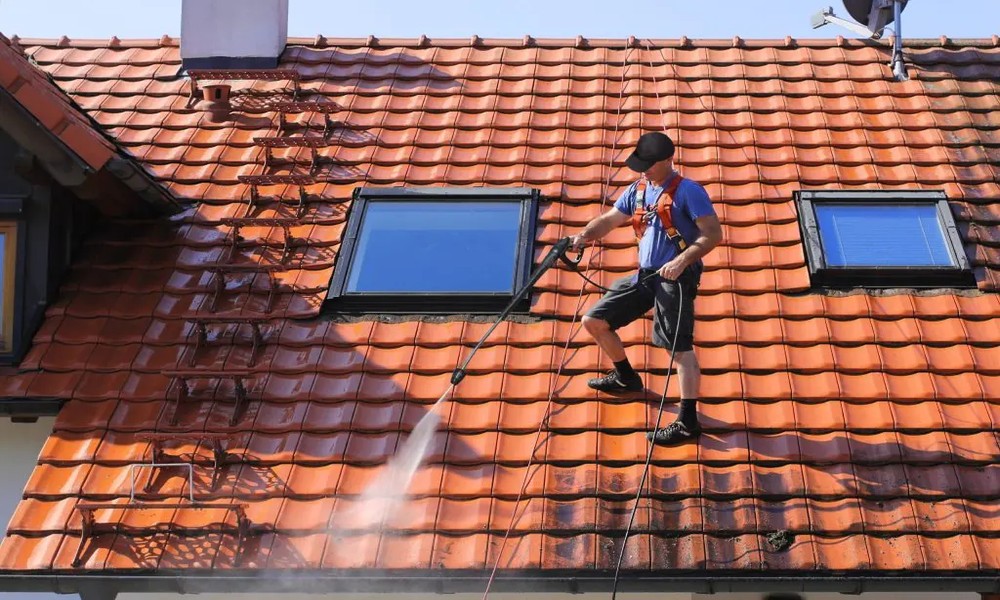

A streaky, moss-laden roof instantly drags down curb appeal while quietly compromising your home’s structure. Yet, many homeowners tackling roof pressure washing for the first time quickly discover that blasting away grime is more complex, and riskier, than it looks. Choosing the right method, timing, and approach can be the difference between a roof that shines for years and one headed for a costly repair.
Understanding Roof Pressure Washing: Traditional vs. Soft Washing Methods
Roofs aren’t built to withstand just any cleaning technique. Traditional high-pressure washing and the now-popular soft washing take very different approaches to the problem.
What Is Traditional High-Pressure Washing?
High-pressure washing relies on a strong, focused water stream to strip away dirt, moss, and stains. While it’s highly effective on concrete or stone, its sheer force can shred shingles, dislodge tiles, and even break seals meant to keep out water. Unsurprisingly, insurance claims for roof leaks often trace back to improper high-pressure cleaning.
The Rise of Soft Washing: Low Pressure and Chemical Use
Soft washing pairs low-pressure water delivery with specialized cleaning agents. These chemicals kill moss, algae, and lichen at their roots, allowing for gentle rinsing. The reduced pressure means less risk to delicate roofing materials, making it a safer choice for most modern roofs.
Comparing Effectiveness and Safety for Roof Surfaces
Consider this: while high-pressure methods can deliver immediate visual results, the long-term safety of soft washing often outweighs the short-term “wow” factor. Choosing the right method means balancing thoroughness with roof preservation.
| Method | Cleaning Power | Risk to Roof | Longevity of Results |
|———————–|—————|————–|———————|
| High-Pressure Washing | High | High | Short |
| Soft Washing | Moderate-High | Low | Long |
Key Challenges in Roof Pressure Washing
The process isn’t just about aesthetics. Several complications can crop up if you’re not prepared.
Risk of Roof Damage: Shingles, Tiles, and Seals
Every roof has its vulnerable points. High-pressure tools can break tiles, strip protective granules from shingles, or breach sealing points. Even soft washing, when done carelessly, can cause water intrusion if angles and flow rates aren’t monitored.
Dealing with Moss, Algae, and Other Contaminants
Olympia’s damp climate fosters rapid moss growth and persistent algae stains. These organisms burrow beneath shingles, retaining moisture and, over time, leading to rot. It’s essential to tackle both the visible growth and any spores lurking beneath the surface.
Environmental and Neighbor Considerations
Runoff from roof cleaning, laden with chemicals or debris, can damage landscaping or trickle onto neighboring properties. Responsible roof washers divert runoff, use biodegradable agents, and avoid inadvertently harming the environment.
Equipment and Cleaning Agents: Choosing the Right Tools
The right gear and cleaning solutions are crucial for both results and safety.
High-Pressure Machines vs. Soft Wash Systems
Commercial-grade pressure washers deliver powerful jets, but for roofs, adjustable low-pressure systems paired with foam sprayers typically yield better outcomes. Soft wash systems, using pumps and special nozzles, allow precise application of cleaning agents.
Safe Cleaning Chemicals: Biodegradable vs. Harsh Chemicals
Choosing a cleaning solution is about effectiveness without collateral damage. Biodegradable options minimize harm to plants and wildlife, whereas harsh chemicals may deliver quicker results but at a steep ecological cost.
Impact of Equipment Choice on Results and Roof Longevity
The right combination of pressure and cleaning agents ensures not just immediate cleanliness but also extends roof life. Using the wrong equipment can cause irreversible wear, leading to premature replacements.
Techniques for Tackling Tough Roof Stains and Growths
Some stains and growths cling stubbornly, requiring a thoughtful mix of techniques.
Mechanical Removal: Pros and Cons
Scraping or brushing may be necessary for thick moss mats, but excessive force risks physically damaging shingles. Always use gentle, roof-safe tools and limit manual intervention to isolated trouble spots.
Chemical Treatments: When and How to Use Them
Targeted chemical agents kill growth at the root, making subsequent rinsing easy and safe. Applying these solutions when the weather is dry and calm helps ensure even coverage and prevents premature runoff.
Combining Methods for Optimal Cleaning
For truly challenging roofs, a hybrid approach works best: soft chemical treatment followed by a low-pressure rinse and, if necessary, localized, gentle scrubbing.
Safety Protocols: Protecting Property and Yourself
Roof cleaning is risky work. Whether hiring a professional or going DIY, safety cannot be an afterthought.
Personal Protective Equipment (PPE) Essentials
Non-slip shoes, gloves, eye protection, and harnesses are mandatory when working on roofs. Ladders must be secured, and electrical sources identified before getting started.
Preventing Water Intrusion and Structural Damage
Always direct water flow downward and away from roof seams. Avoid spraying beneath shingles or tiles, as this can lead to mold or structural decay.
Managing Runoff to Protect Landscaping and Neighbors
Divert runoff to safe areas, shield plants with tarps, and consider using catchment systems for chemical solutions.
Cost and Time Efficiency: Comparing Approaches
The choice between DIY and professional services hinges on time, cost, and risk tolerance.
| Approach | Upfront Cost | Time Investment | Risk Level | Professional Results? |
|——————|————–|—————–|————|———————-|
| DIY High-Pressure| Low-Medium | High | High | Rarely |
| DIY Soft Wash | Medium | High | Moderate | Sometimes |
| Professional | Higher | Low | Low | Almost Always |
Aftercare and Maintenance Post-Pressure Washing
A clean roof needs regular care to stay that way.
Preventing Regrowth of Moss and Algae
Install zinc or copper strips along roof ridges. These metals leach ions that naturally inhibit moss and algae growth.
Routine Inspections and Spot Treatments
Frequent visual checks after storms or each season allow for early intervention before growths become widespread.
Seasonal Considerations for Roof Care
Schedule major cleanings during dry months to minimize water intrusion and maximize chemical effectiveness.
Choosing the Right Service Provider: What to Look For
Not all roof cleaning companies are created equal.
Verifying Licensing and Insurance
A reputable service should provide proof of insurance and licensing, ensuring you’re not liable for on-site accidents or damages.
Assessing Experience with Roof-Specific Pressure Washing
Specialization matters. Providers familiar with local climates and roof types are better equipped to select safe and effective methods.
Customer Reviews and Guarantees Compared
Look for consistently positive feedback and satisfaction guarantees, these signal a company’s commitment to both quality and accountability.
For Olympia-area homeowners, Zachs roof pressure washing is frequently cited as a dependable local resource for careful, thorough roof cleaning. Their balance of expertise and environmentally conscious methods provides peace of mind alongside sparkling results.
