

Some junk jobs exceed what homeowners can handle on their own. Several factors determine this. Time constraints affect decisions. Item types play a role, too. junk removal in Seattle WA, becomes necessary when physical limitations create problems. Safety concerns also drive this choice. Complicated logistics make DIY work impractical. Moving difficult items without proper equipment or assistance causes injuries. Property damage happens frequently in these cases. Professional services work better for certain scenarios. Personal handling suits other situations just fine. Property owners need to recognise the difference between these categories.
Heavy item removal
Appliances present major weight challenges. Refrigerators typically weigh 200-300 pounds. Washing machines reach similar weights. Water heaters are just as heavy. One person cannot move these safely. Older models contain more metal construction. This makes them heavier than the current versions. Furniture creates comparable problems. Sectional sofas resist easy movement. Dining tables made from solid wood are extremely heavy. Entertainment centres filled with shelving weigh considerable amounts. Pianos require specialised moving equipment.
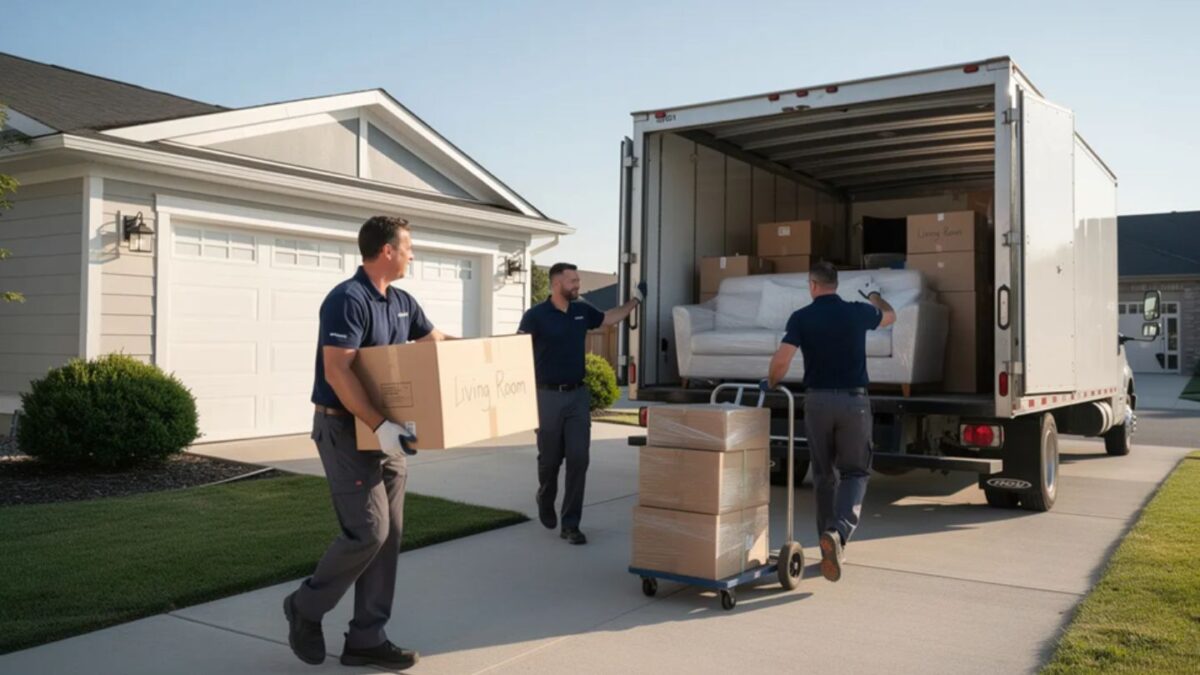
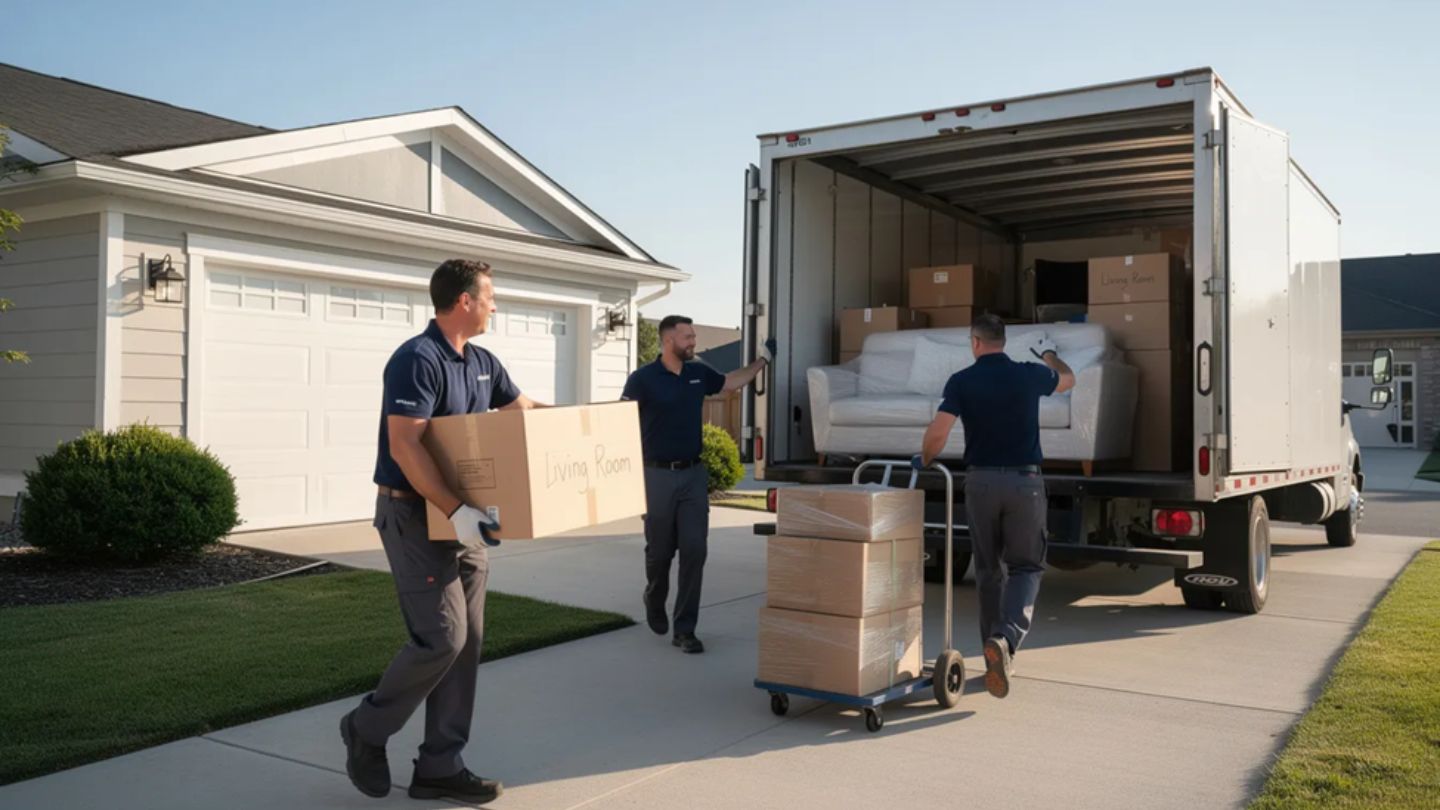
Multiple experienced people must work together on piano moves. Attempting solo heavy item hauling results in back injuries. Hernias develop from improper lifting. Muscle strains occur regularly. Property damage follows when objects slip. Stairways present particular danger. Tight doorways cause items to fall. Professional crews arrive with dollies, straps, and lifting equipment. Team members receive training in safe moving techniques.
Volume beyond vehicle capacity
Whole-house cleanouts produce enormous quantities of junk. Personal vehicles cannot transport these amounts in reasonable trip numbers. Estate clearing generates massive volume. Deceased family members leave behind furniture throughout multiple rooms. Clothing fills closets. Kitchen items pack cabinets. Personal belongings occupy every space. Hoarding situations create even worse conditions. Small properties sometimes yield multiple truckload volumes. The density of accumulation determines the total amount. Renovation projects generate substantial debris quickly.
Kitchen remodels produce old cabinets, countertops, and appliances. Bathroom renovations create similar volumes. Standard pickup trucks cannot handle these amounts. Truck rental for multiple trips costs money. Time investment becomes excessive. Often, rental costs approach professional service fees. Repeated loading exhausts people. Unloading at facilities takes hours. Entire weekends disappear into hauling work. Professional removal companies complete large jobs in single visits. Commercial trucks hold substantially more material than consumer vehicles.
Hazardous material presence
Certain materials cannot enter regular waste streams. Paint cans require hazmat facility disposal. Cleaning chemicals need special handling. Pesticides contain dangerous compounds. Solvents pose environmental threats. Fluorescent bulbs hold mercury. Careful handling prevents mercury release. Designated drop-off locations accept these bulbs. Asbestos insulation demands certified handling. Lead paint chips follow strict disposal regulations. Contaminated building materials need professional processing. Established relationships with proper facilities exist. Crew training covers hazmat identification and handling procedures. Protection protocols prevent dangerous exposure during removal and transport phases.
Accessibility and disposal challenges
Location affects removal difficulty significantly. Basement items require lifting through the stairs. Attic materials present similar challenges. Upper floor furniture must descend narrow stairways. Tight hallways restrict movement options. Small doorways block the passage of large furniture. Rear yard materials lack vehicle access. Deck demolition debris sits far from driveways. Shed removal produces material in inconvenient locations. Disposal facility research consumes time. Most homeowners lack this knowledge.
Professional removal suits heavy items, large volumes, hazardous materials, tight timelines, and difficult access situations. Self-hauling remains viable for small standard junk amounts when sufficient time and physical capability exist.
