
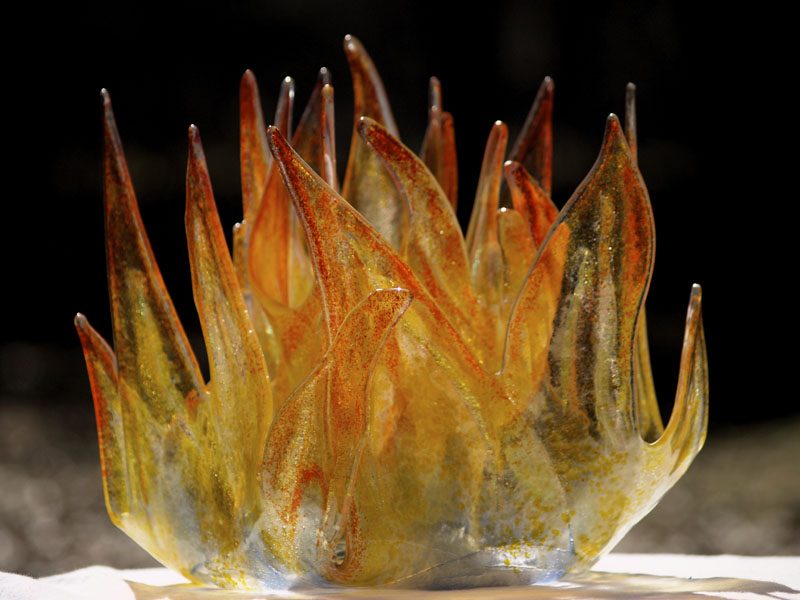

Firing fusible glass can feel intimidating at first. There is heat, timing, and a lot of quiet waiting. Many beginners worry about doing something wrong before the kiln even turns on. In reality, the process becomes comfortable once you understand the basic flow. When artists work with Hollander fusing glass supplies, they often feel more at ease because the glass responds predictably inside the kiln. This article walks through preparation and firing in a calm, practical way so the process feels manageable rather than overwhelming.
Preparing the Glass Pieces
Good results begin before the kiln stage. Taking time here saves frustration later.
- Wash glass pieces with clean water and dry fully
- Remove fingerprints and dust from every surface
- Cut shapes slowly to avoid sharp uneven edges
- Dry fit the design before committing to firing
- Keep spacing consistent between layers
Understanding Kiln Placement
How you place glass inside the kiln affects the final result more than many realize.
- Center pieces on the kiln shelf for even heat
- Leave space between projects to allow airflow
- Use kiln paper or shelf primer to prevent sticking
- Check that shelves sit level before loading
Choosing a Firing Schedule
Firing schedules control how glass moves and settles. There is no single perfect schedule for every project.
- Start with slower ramps for thicker pieces
- Use faster ramps for simple tack fusing projects
- Hold at top temperature long enough for bonding
- Allow gradual cooling to prevent stress cracks
- Adjust schedules based on past results
Watching the Kiln Process
You do not need to stare at the kiln, but awareness helps.
- Listen for unusual sounds during heating
- Avoid opening the kiln during firing
- Trust the schedule instead of rushing results
- Let the kiln cool naturally before opening
- Resist checking too early even if curious
Cooling and Annealing Matters
Cooling is not just waiting. It is part of the artwork.
- Proper annealing strengthens the glass
- Fast cooling increases risk of cracking
- Thicker pieces require longer cooling times
- Stable cooling improves long term durability
- Patience here protects hours of effort
Learning Through Small Projects
Confidence grows faster with smaller projects.
- Practice with test tiles before large designs
- Try simple shapes to understand heat movement
- Build habits before attempting complex pieces
As experience builds, many artists notice how Hollander fusing glass supplies allow them to focus on learning rather than correcting unpredictable outcomes.
Preparing and firing fusible glass does not need to feel stressful. When the process is broken into clear steps, it becomes calm and even enjoyable. From cleaning glass to choosing firing schedules, each stage supports the next. With steady practice, patience, and reliable materials, firing glass turns from a source of anxiety into a familiar creative rhythm that artists can trust and grow with over time.
